
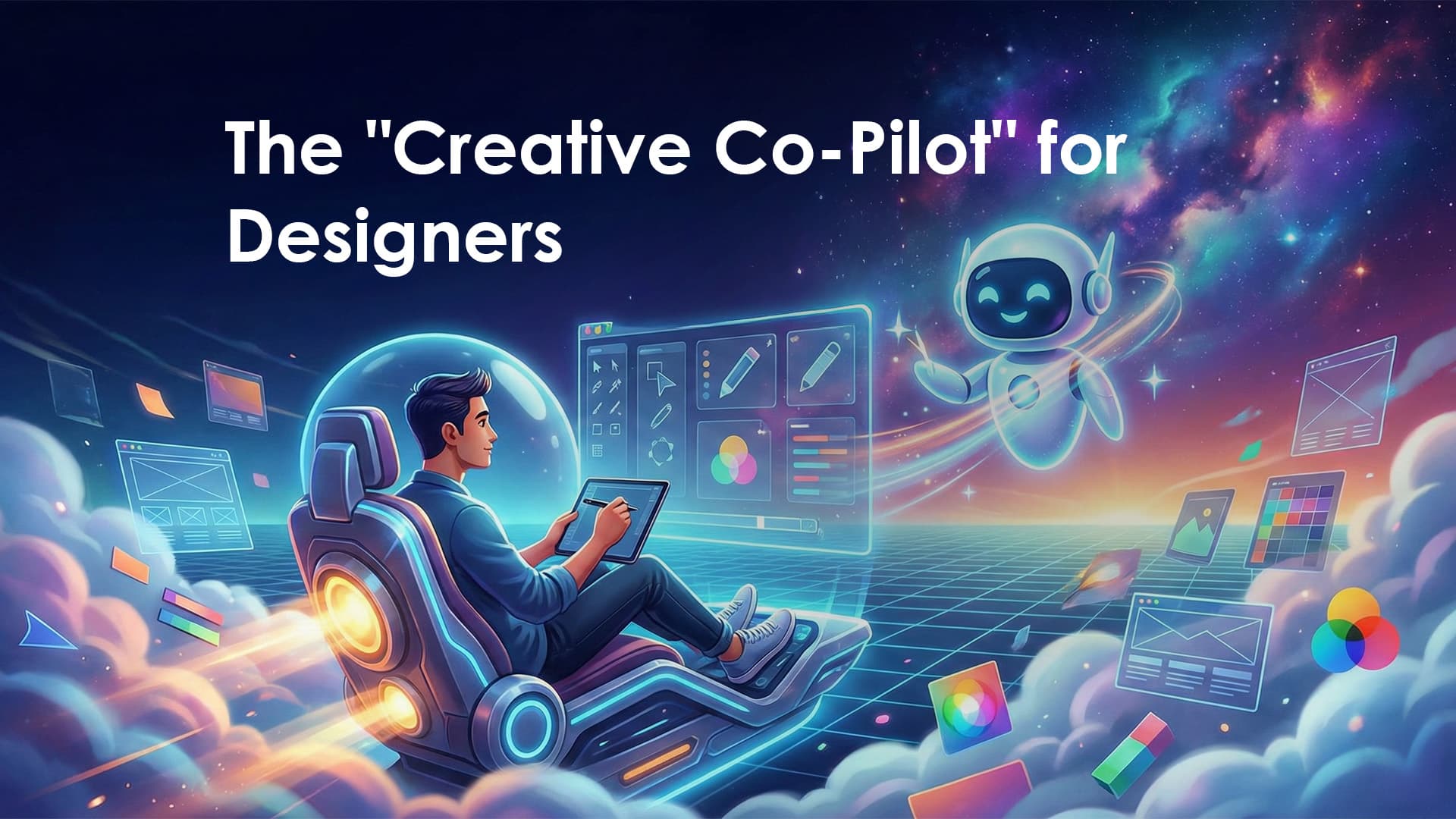
Google Gemini Review: The "Creative Co-Pilot" for Designers
Google's Gemini is not just another standalone image generator; it is a conversational partner integrated deep into Google's ecosystem. Entering the AI image race as a "creative co-pilot," Gemini is designed for practical content creators who want rapid, high-quality image generation and editing directly within their existing workflows.
Google’s latest models—including Gemini 2.5 Flash (aka "Nano Banana") and Gemini 3 Pro (aka "Nano Banana Pro")—push the boundaries of what is possible. They offer high-resolution images up to 4K, advanced text rendering, and unique multi-image fusion capabilities grounded with real-time Google Search data.
The Workflow: Conversational & Precise
Gemini’s interaction feels like collaborating with a smart assistant. You use natural conversation to iteratively refine images until they are perfect.
1. Precision Editing
Users can upload one or more photos and instruct precise changes.
Example: You can say “change the sofa’s color to deep navy blue” or “place this person in a new background.”
The Result: The edits are localized to the affected areas without distorting the surrounding image.
2. Multi-Image Fusion
A core feature is image blending. You can fuse multiple source images into a complex composite scene—ideal for ads or concept art. The latest models support up to 14 reference images, allowing for deep context awareness.
3. "Thinking Mode"
To enhance composition, Gemini uses a “thinking mode” that generates intermediate "thought images" to refine the layout before producing the final output.
4. From Sketch to Code
Gemini accelerates early design stages by generating UI mockups and front-end code directly from sketches or text descriptions.
Pros & Cons: The Honest Truth
✅ The Strengths
Precise Photo Edits: It delivers fast and accurate targeted edits (e.g., specific clothing changes or background swaps).
Character & Style Consistency: It reliably replicates characters across different scenes, making it highly useful for storyboards and branding.
High Text Fidelity: It produces legible, well-placed fonts in marketing graphics and diagrams.
Excellent Photorealism: The state-of-the-art realism is ideal for product mockups and business presentations.
Conversational Iteration: You can refine images step-by-step with natural language.
❌ The Weaknesses
Inconsistent Quality: It may struggle with complex multi-person scenes, occasionally causing distortions like deformed faces or limbs.
Reliability Issues: Users have reported edit failures and platform crashes that can disrupt workflows.
Weak Artistic Stylization: Compared to specialized creative tools, Gemini tends to generate more "generic" artistic styles.
Legal Uncertainty: While users own the "original content" they generate, AI copyright law remains unsettled globally. Note that commercial use is permitted on paid plans.
Pricing Breakdown
Gemini’s pricing model is token-based.
Gemini 2.5 Flash: Image generation is priced around $30 per million output tokens.
Cost Per Image: This equates to approximately $0.039 per 1,290-token image.
Note: Platform access costs and enterprise plans may vary.
Gemini vs. The Competition
Gemini vs. DALL-E
Gemini is often regarded as a faster, more practical alternative to DALL-E. While DALL-E may sometimes be more accurate in fine detail, Gemini excels in speed and integration.
Gemini vs. Midjourney
Compared to Midjourney, Gemini is generally cheaper but offers less creative artistry. If you need photorealistic, business-friendly images, Gemini is the winner. If you need fantasy or unique artistic flair, Midjourney remains superior.
Gemini vs. Stable Diffusion
Gemini trails Stable Diffusion when it comes to deep customization and control.
Verdict
Gemini is the ideal tool for designers, marketing teams, and content creators who need to blend and edit images quickly. Its ability to maintain character consistency and generate UI code makes it a versatile asset, even if it lacks the raw artistic "soul" of some competitors.